
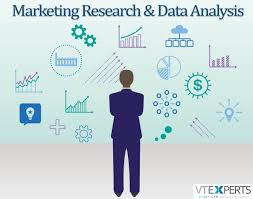
In today’s competitive digital world, data analytics in marketing has become the driving force behind smarter business decisions and measurable growth. Marketers no longer rely solely on creativity or instinct—data-driven marketing enables them to understand their audiences, refine campaigns, and achieve better ROI through factual insights.
By turning raw data into actionable intelligence, businesses can uncover trends, predict customer behavior, and tailor marketing efforts that resonate deeply with their audience.
What Is Data Analytics in Marketing?
Marketing analytics is the process of collecting, analyzing, and interpreting data from multiple sources—such as websites, social media, email campaigns, and CRM systems—to gain a deeper understanding of customer behavior.
It helps answer key questions like:
- What drives customer engagement?
- Which marketing channels deliver the best conversions?
- How can we allocate budgets more effectively?
By answering these questions with data, brands can make evidence-based decisions that strengthen marketing performance and customer loyalty
Why Data Analytics Matters in Modern Marketing
The digital marketing landscape is overflowing with data. Without the right analysis, this data remains untapped potential. Here’s how analytics empowers marketers:
1. Deep Audience Understanding
Through data segmentation, marketers can identify who their ideal customers are—their demographics, interests, behaviors, and purchase patterns. This allows for highly targeted campaigns that speak directly to the right audience at the right time.
2. Campaign Performance Optimization
With tools like Google Analytics and HubSpot, marketers can measure campaign results in real-time. Metrics such as bounce rate, engagement time, and conversion paths highlight what’s working—and what’s not—so you can continuously refine your strategy.
3. Personalized Customer Experiences
Consumers now expect personalized marketing. By analyzing user data, brands can deliver tailored messages, product recommendations, and offers that match individual preferences—boosting engagement and customer retention.
4. Predicting Future Trends
Predictive analytics uses historical data to forecast future behavior. This allows marketers to anticipate customer needs, allocate resources efficiently, and stay ahead of competitors by acting on data-driven foresight.
Top Tools for Data-Driven Marketing Insights
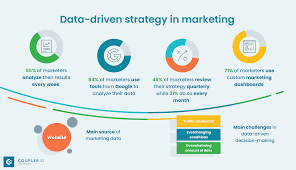
To make the most of data analytics, marketers rely on specialized tools designed to gather, analyze, and visualize marketing data. Some of the best options include:
- Google Analytics 4 (GA4): Tracks user journeys and conversion metrics across devices.
- HubSpot Marketing Hub: Integrates lead data and campaign performance analytics.
- Tableau / Power BI: Visualizes complex data for easy interpretation.
- CRM Tools (Salesforce, Zoho): Provides a unified view of customer interactions.
- Social Media Insights: Platforms like Meta, LinkedIn, and X (formerly Twitter) offer engagement and audience analysis.
Each tool provides unique advantages depending on your business goals and data maturity level.
How to Use Data Analytics to Drive Marketing Success
Harnessing the power of data requires a structured, strategic approach. Here’s how your team can leverage analytics effectively:
1. Define Clear Objectives
Before collecting data, identify what success looks like. Are you aiming to boost conversions, lower acquisition costs, or improve customer retention? Clear goals guide the analytics process and ensure relevant data collection.
2. Gather Data from Multiple Sources
Combine data from your website, social media, CRM, and paid campaigns for a complete view of the customer journey. Unified data helps connect the dots between awareness, engagement, and conversion.
3. Segment and Analyze Your Audience
Group users based on shared characteristics (e.g., location, interests, purchase history). Segmentation allows you to create personalized campaigns that resonate more effectively with each group.
4. Test, Measure, and Optimize
Use A/B testing and analytics dashboards to compare performance across campaigns. Measure KPIs such as click-through rate (CTR), conversion rate, and cost per acquisition (CPA) to guide optimization.
5. Leverage Predictive Analytics
Use AI-driven tools to forecast demand, customer churn, and emerging trends. Predictive insights help you make proactive marketing decisions instead of reactive ones.
Real-World Example: How Analytics Transforms Marketing
Let’s take a retail brand selling eco-friendly products. By analyzing customer purchase histories and search queries, the marketing team identifies that sustainability is a key motivator for repeat buyers.
Armed with this insight, they launch a targeted email campaign focused on eco-conscious product lines. The result? A 30% increase in conversions and stronger brand loyalty—all driven by data-backed decisions.
The Future of Data-Driven Marketing
As technology evolves, so will the power of marketing analytics. The future lies in AI-powered insights, real-time dashboards, and machine learning algorithms that automate campaign optimization.
Brands that embrace data-first strategies will enjoy higher customer retention, smarter ad spend, and faster growth. In short—data analytics is not just a marketing tool; it’s the foundation of modern marketing success.
Conclusion
In the era of digital transformation, data analytics in marketing is the bridge between creativity and precision. It helps marketers understand what drives their audience, measure performance accurately, and continuously optimize for better outcomes.
If you want your marketing efforts to be smarter, faster, and more effective, it’s time to embrace data-driven marketing.