
A data-driven digital marketing strategy helps you make informed decisions, target the right customers, and maximize your return on investment (ROI). Whether you’re a small business or a global brand, leveraging data effectively can transform how you plan, execute, and measure your marketing campaigns.
In this blog, we’ll walk you through the essential steps to build a powerful data-driven digital marketing strategy that delivers measurable results
1. Understand What Data-Driven Marketing Means
Data-driven marketing involves using data from multiple sources—like website analytics, social media, CRM systems, and email campaigns—to guide your marketing efforts.
It’s not just about collecting numbers; it’s about interpreting data to uncover actionable insights. This approach allows marketers to:
- Identify audience preferences and behavior
- Personalize content and offers
- Allocate budgets more effectively
- Continuously optimize campaigns based on real-time results
In essence, data turns marketing from a guessing game into a precise, evidence-based process.
2. Set Clear and Measurable Goals
Before diving into analytics, define what success looks like for your business. Setting SMART goals—Specific, Measurable, Achievable, Relevant, and Time-bound—gives your strategy direction.
For example:
- Increase website traffic by 30% in 3 months
- Improve email open rates by 15%
- Generate 100 qualified leads per month
Each goal should be tied to a measurable Key Performance Indicator (KPI), such as conversion rate, click-through rate, or cost per acquisition.
When your goals are clear, your data has purpose—making analysis easier and decisions more impactful.
3. Identify the Right Data Sources
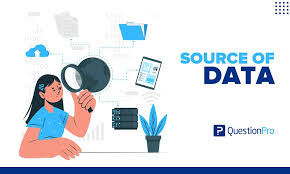
To build an accurate picture of your audience and performance, collect data from diverse channels. Some of the most important data sources include:
- Website Analytics: Tools like Google Analytics 4 (GA4) show how users interact with your site—traffic sources, bounce rates, conversions, and more.
- Social Media Insights: Platforms like Meta, LinkedIn, and X (Twitter) provide engagement metrics and audience demographics.
- CRM Systems: Tools like HubSpot or Salesforce help track customer journeys and behavior.
- Email Marketing Platforms: Insights into open rates, click rates, and subscriber preferences.
- Advertising Dashboards: Data from Google Ads, Meta Ads Manager, or LinkedIn Campaign Manager to monitor campaign effectiveness.
By combining these insights, you gain a holistic view of your marketing ecosystem.
4. Segment Your Audience
Not all customers are the same—and that’s where segmentation comes in. By dividing your audience into groups based on shared characteristics (like demographics, behavior, or purchase history), you can deliver more personalized and relevant marketing messages.
Common segmentation types include:
- Demographic: Age, gender, income, or location
- Behavioral: Purchase patterns, online activity, or engagement levels
- Psychographic: Interests, values, and lifestyle preferences
For example, an e-commerce brand might target first-time buyers with welcome discounts while promoting loyalty programs to repeat customers.
Segmentation ensures that your campaigns speak directly to the right audience at the right time.
5. Leverage Marketing Analytics Tools
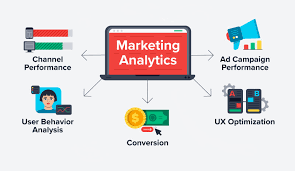
Data is powerful—but only if you can interpret it effectively. That’s where analytics tools come into play.
Here are some tools to consider for your data-driven marketing strategy:
- Google Analytics 4 (GA4): Tracks user journeys and conversion behavior.
- HubSpot Marketing Hub: Centralizes data for lead tracking and automation.
- Tableau or Power BI: Visualizes data trends through dynamic dashboards.
- SEMrush or Ahrefs: Monitors SEO performance and competitor insights.
These platforms allow you to identify trends, measure ROI, and uncover hidden opportunities within your marketing data.
6. Personalize Your Marketing Campaigns
Once you have actionable insights, it’s time to put data into action. Personalization is one of the most effective ways to use data-driven marketing.
By tailoring content and offers to individual preferences, you enhance engagement and conversions. For example:
- Show personalized product recommendations based on browsing history
- Send targeted emails triggered by user behavior
- Adjust ad creatives based on audience interests or demographics
According to recent studies, personalized campaigns can deliver up to 5–8 times higher ROI compared to generic messaging.
7. Test, Measure, and Optimize Continuously
A successful data-driven marketing strategy is never static—it evolves. Continuous testing helps refine your campaigns for better results.
Use A/B testing to compare different headlines, visuals, or CTAs. Monitor performance metrics like engagement rate, conversion rate, and cost per click. Then, use insights from these tests to optimize your campaigns.
Pro Tip: Create feedback loops—analyzing results, making data-backed adjustments, and re-testing regularly. This iterative approach ensures your marketing remains relevant and effective.
8. Ensure Data Privacy and Compliance
While collecting data is crucial, protecting it is equally important. Consumers are increasingly concerned about privacy, and regulations like GDPR and CCPA set strict guidelines for data handling.
Be transparent about data collection practices, obtain user consent, and secure your databases. Ethical data usage builds trust and strengthens your brand reputation.
Conclusion
Building a data-driven digital marketing strategy is not about having the most data—it’s about using it wisely. When businesses leverage analytics to understand their audience, measure performance, and personalize experiences, marketing becomes smarter, more efficient, and more impactful.
In an era where every click and interaction generates valuable insights, data isn’t just an asset—it’s your competitive advantage