
In today’s fast-paced digital era, artificial intelligence (AI) is no longer just a futuristic concept—it’s a core part of how businesses plan, execute, and optimize their digital marketing strategies. From automating repetitive tasks to delivering hyper-personalized customer experiences, AI is reshaping how brands connect with their audiences and make data-driven decisions.
As competition intensifies and customer expectations rise, marketers are turning to AI-powered tools to gain an edge. In this blog, we’ll explore how AI is transforming digital marketing strategies, the benefits it offers, and the ways your business can use it to drive growth and engagement.
1. Understanding the Role of AI in Digital Marketing
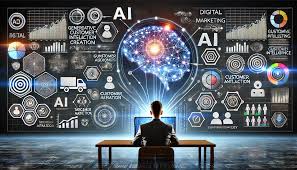
At its core, AI enables machines to simulate human intelligence—analyzing data, learning from patterns, and making predictions. In digital marketing, this translates into smarter automation, faster decision-making, and highly targeted campaigns.
AI doesn’t replace marketers—it empowers them. By handling time-consuming tasks such as data analysis, content recommendations, and customer segmentation, AI allows marketing teams to focus on creativity and strategy.
Examples of AI in action:
- Chatbots offering 24/7 customer support
- Predictive analytics forecasting campaign outcomes
- Personalized content recommendations on websites and emails
- Automated bidding and targeting in digital ad campaigns
2. AI-Powered Personalization
Today’s customers expect brands to understand their needs. Generic marketing messages no longer work—personalization is the key to engagement.
AI enables marketers to analyze user behavior, purchase history, and real-time interactions to deliver personalized content and product recommendations. Platforms like Amazon, Netflix, and Spotify use AI-driven algorithms to tailor experiences that feel custom-made for each user.
In digital marketing, personalization powered by AI can include:
- Dynamic website content that adapts to user behavior
- Tailored email campaigns based on customer interests
- Predictive product recommendations
- Personalized ads that improve click-through and conversion rates
Result: Higher engagement, increased conversions, and stronger customer loyalty.
3. Enhancing Customer Experiences with Chatbots and Virtual Assistants
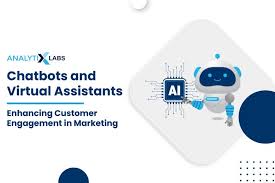
AI-driven chatbots and virtual assistants have become essential tools in customer engagement. They provide instant support, answer queries, and guide users through the buying journey—all without human intervention.
According to recent studies, over 80% of businesses now use chatbots in some form. These AI systems use Natural Language Processing (NLP) to understand user intent and respond conversationally, making interactions feel human-like.
Benefits of AI chatbots in digital marketing:
- 24/7 availability and instant responses
- Reduced customer service costs
- Improved lead generation and qualification
- Enhanced user satisfaction and retention
AI chatbots not only improve customer experiences but also collect valuable data that can refine future marketing efforts.
4. Predictive Analytics and Smarter Decision-Making
AI-driven predictive analytics is revolutionizing how marketers interpret data. Instead of relying on past performance alone, predictive models forecast future trends, customer behavior, and campaign outcomes.
For example, AI can predict which customers are likely to churn, which ads will perform best, or which products will trend next season. This allows marketers to take proactive actions—optimizing campaigns, adjusting budgets, and focusing on high-value audiences.
Real-world application:
E-commerce brands use AI to predict when customers might reorder a product, sending timely email reminders or personalized discounts to encourage repeat purchases.
Result: Better decision-making, improved ROI, and stronger customer relationships.
5. AI in Content Creation and Optimization
AI is also changing how marketers create and optimize content. Tools like ChatGPT, Jasper AI, and Copy.ai help generate blogs, social media posts, ad copy, and product descriptions in minutes.
Meanwhile, AI-powered SEO tools such as Surfer SEO and Clearscope analyze search data to recommend keywords, headings, and structure for better ranking potential.
AI content tools help with:
- Creating high-quality, keyword-optimized content
- Analyzing performance metrics and engagement rates
- Suggesting improvements for readability and SEO
- Scaling content production efficiently
However, it’s important to note that AI should assist human creativity, not replace it. The best marketing content still needs a human touch to convey emotion and brand personality.
6. Smarter Advertising with AI Automation
Paid advertising has become more efficient and effective thanks to AI. Platforms like Google Ads and Meta Ads use machine learning algorithms to automate bidding, audience targeting, and ad placement.
AI analyzes thousands of data points in real-time to ensure ads reach the right people at the right time—maximizing conversions while minimizing wasted spend.
Key benefits include:
- Improved targeting accuracy
- Automated budget optimization
- Enhanced ad creative recommendations
- Real-time performance tracking
As a result, businesses achieve better ROI and higher-quality leads without constant manual oversight.
7. The Future of AI in Digital Marketing
As AI technology continues to evolve, its role in digital marketing will only expand. Emerging trends include:
- Voice search optimization as more consumers use smart speakers
- AI-generated video and visuals for faster creative production
- Hyper-personalized marketing automation based on predictive behavior
- AI-driven sentiment analysis to gauge public perception in real-time
The marketers who embrace AI now will stay ahead of the curve, leveraging automation and analytics to make smarter, faster, and more impactful marketing decisions.
Conclusion
AI is not just transforming digital marketing—it’s redefining it. From automation and personalization to predictive insights and content optimization, artificial intelligence empowers businesses to connect with audiences more meaningfully and efficiently than ever before.
To stay competitive in the digital age, brands must learn to integrate AI tools into their strategies—balancing technology with creativity to deliver exceptional customer experiences and measurable results.